Planning a Tree Removal in Coeur d’Alene
Planning a tree removal starts with its condition, nearby structures, utilities and available working space. Learn what to describe, what to ask about the estimate and how to discuss a removal plan with an independent provider. This website is a referral service that helps connect people seeking tree care with independent service providers. We do not perform tree work ourselves. Availability, estimates, scheduling, credentials and service terms are determined by the provider you speak with.
Connect With a Provider
A Technical Overview
Expert Tree Cutting Service in Coeur d'Alene
Ask the provider to assess whether removal is necessary or whether a retention option is appropriate. An unwanted branch and an unstable trunk can require different decisions.
- Most tree removal projects in Kootenai County fall into three categories:
- Hazardous Tree Removal: Eliminating trees with root failure or trunk decay that threaten structures.
- Defensible Space Clearing: Removing tree debris and unwanted trees to reduce wildfire risk in North Idaho.
- Construction Preparation: Clearing timber stands for new residential properties or commercial properties.
Nearby roofs, fences and utilities may limit how material can be moved. The provider should evaluate these constraints before recommending a method.
NECESSITY & WILDFIRE PROTECTION
When Dangerous Trees Remove Coeur d'Alene ID Homeowners' Peace of Mind.
Homeowners are typically responsible for tree removal if a tree on their residential property falls onto a neighbor's yard due to negligence, such as ignoring trunk decay or a leaning tree. However, if a healthy tree falls during storm events or lightning strikes, it is generally considered an "act of God," and the neighbor's insurance coverage handles the damage.
Equipment choice depends on the site. A crane, climbing approach or other method cannot be promised solely from the tree's size or a short description.
Discuss what can fit through gates and along driveways. Explain any surfaces or structures that must be protected during access and material handling.
THE 7-STEP SAFE REMOVAL PROCESS
The CDA Tree Services Process
The estimate should distinguish cutting the tree from hauling logs, removing brush and treating the stump. Ask about any tasks that will remain after the main removal.
1) Site Assessment:
A standing damaged tree may need an assessment before any cleanup begins. Keep people away from the possible fall area and avoid approaching it for photographs.
2) Preparation:
Confirm which property improvements the provider will work around. Discuss protection and any limits on restoration before equipment arrives.
3) Canopy Access Climbing:
If a tree is in the public right-of-way, verify city requirements before authorizing removal. Where boundaries are uncertain, seek clarification from the city.
4) Controlled Dismantling:
Public-tree requirements should not be treated as a rule for every private-yard tree. Property, jurisdiction and the nature of the work determine what must be checked.

5) Main Trunk Felling:
Request an explanation of the proposed removal sequence and work area. The provider determines the method and any necessary utility or authority coordination.
6) Processing:
Ask how logs and branches will leave the site. Retaining usable wood, chipping brush and complete hauling are different service outcomes.
7) Site Cleanup:
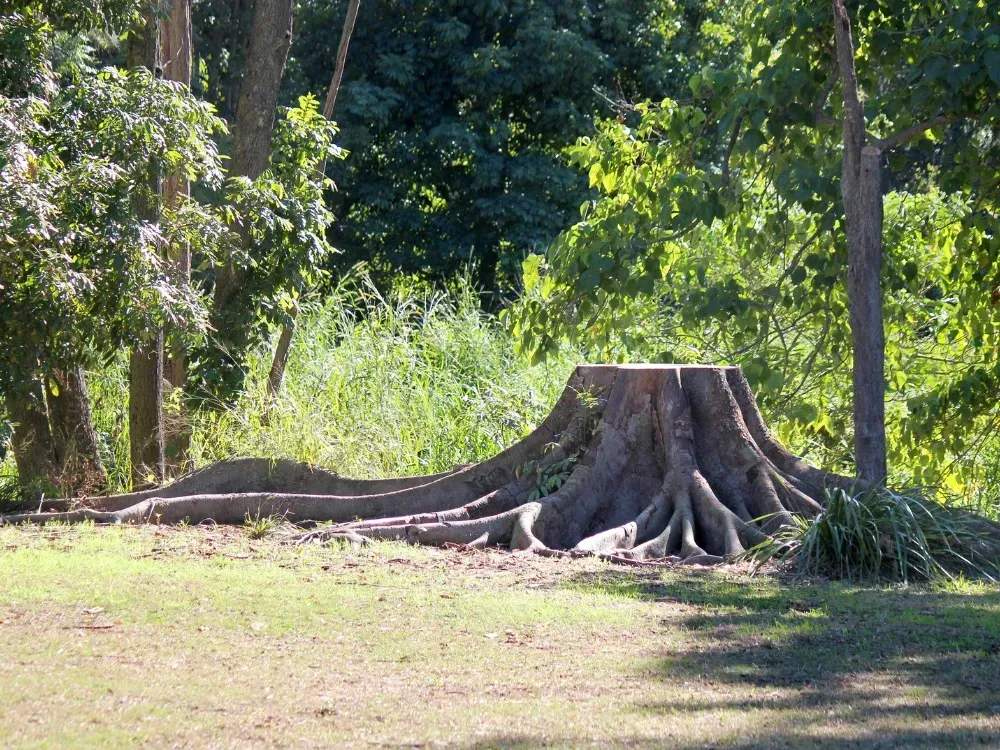
If stump grinding is wanted, confirm access, grinding depth and chip handling separately. Removal of the tree does not automatically include excavation of the root system.
EQUIPMENT & CAPABILITIES
Specialized Equipment for Difficult Tree and Shrub Removal Coeur d Alene.
A written estimate should identify exclusions and potential changes in scope. Ask how additional work will be discussed and approved.
Verify the qualifications and insurance of the business you choose. This referral website does not supply a crew or guarantee the contractor's work.
Scheduling depends on the provider and the site. Urgent hazards should be described accurately, but a referral inquiry does not guarantee immediate response.
Ask
Plan
Check
Gallery
Clean Yard Restored
Fresh Stump Close-Up
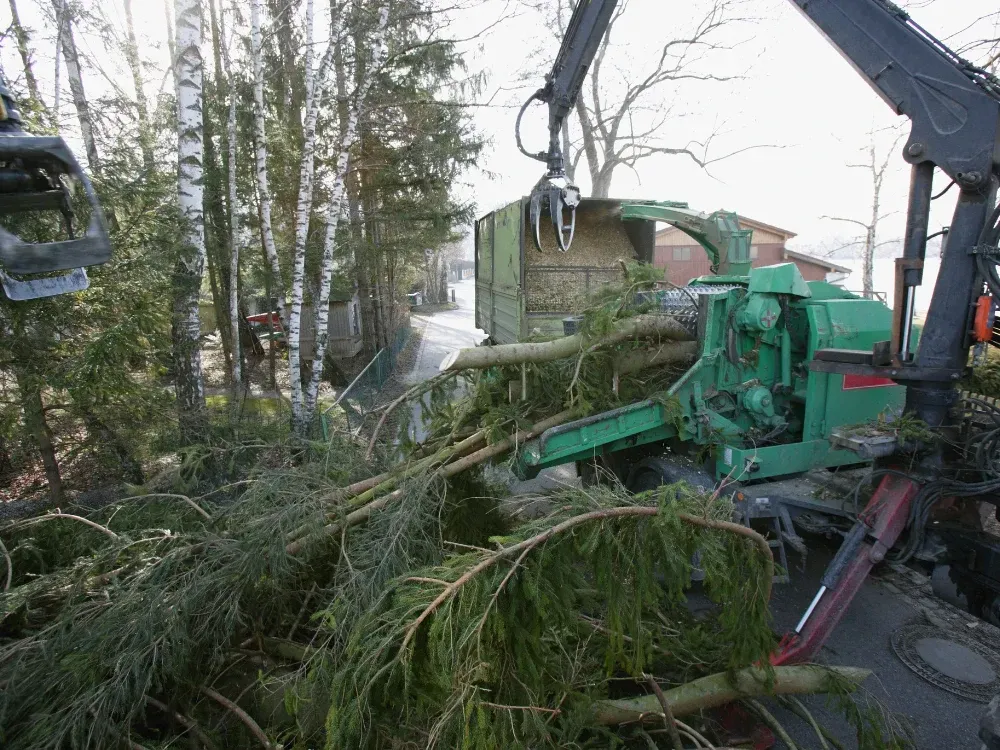
Wood Chipper Processing
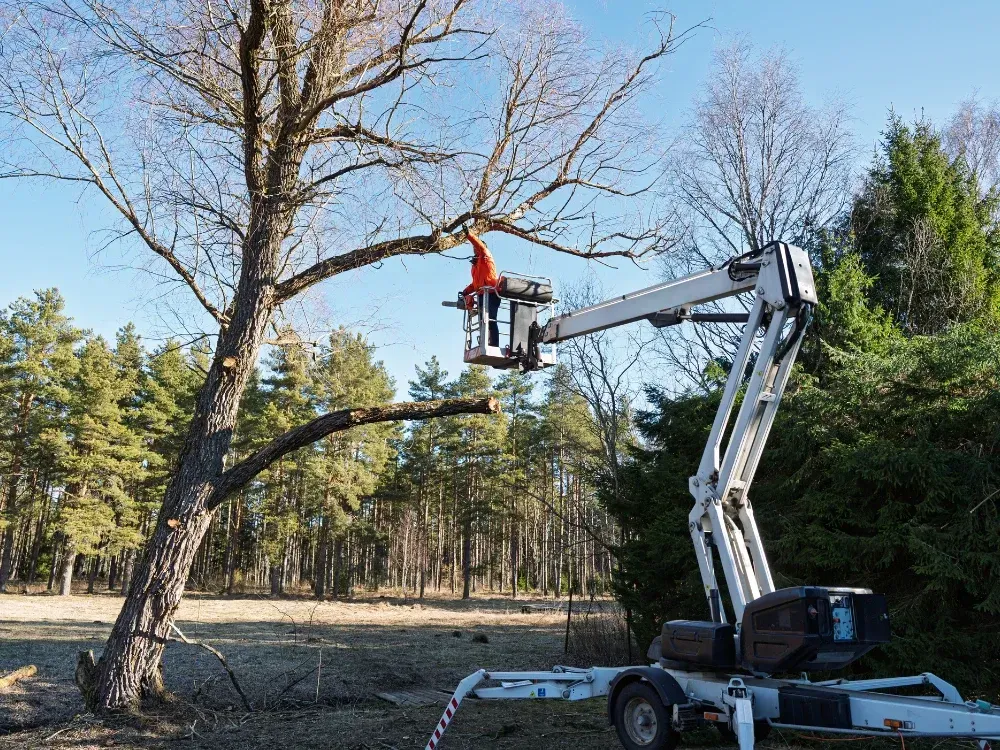
Heavy Removal Equipment
Understanding the Costs
Affordable Tree Removal Coeur d'Alene
After the project, compare the condition of the site with the agreed cleanup scope. Discuss remaining material and follow-up arrangements directly with the provider.
For broader planning, consider how the cleared area will be used. Replanting or landscape restoration may need separate advice and arrangements.
- Tree Height & Diameter:
Larger trees take more time and specialized rigging systems.
- Accessibility:
Trees in tight spaces or urban environments require canopy access climbing.
- Tree Debris & Site Cleanup:
Explain the type of tree-care help you are researching and the general property location. The independent provider confirms whether it can assess the project.
- Stump Grinding Surcharge:
This is usually an optional add-on if you want the root system removed entirely.
Ask which business would handle the assessment and work. Verify its qualifications, insurance and service agreement directly before making a commitment.

Questions Before Choosing a Provider
Describe access limitations and nearby features from a safe location. Do not approach unstable trees or suspended branches to collect information.
A useful discussion separates the immediate concern from follow-up tasks such as hauling, stump work and restoration. Ask what the proposed scope includes.
Tree condition, access and surrounding structures influence the work. A provider should explain the options for the actual site rather than promise a standard method.
LOCAL PERMITS & CDA REGULATIONS
Navigating Tree Removal Permit Coeur d'Alene Requirements.
You generally do not need a tree removal permit in Coeur d’Alene for trees on private residential properties unless the tree is in a public right-of-way, a shoreline buffer, or a designated hillside tract. Commercial properties often require a site assessment and city approval before land clearing or removing significant timber stands.
Keep a written record of the scope, estimate and scheduling arrangements. Questions about service terms should be addressed with the independent provider.
Referral availability does not establish a contractor's credentials or guarantee an outcome. Review the provider's information and decide whether its proposal meets your needs.
Connect With a Provider
Tree Removal Questions from Your Coeur d'Alene Neighbors
Does my tree really need to be removed?
Damage, significant decay, sudden leaning or root movement can warrant professional assessment. Removal is not always necessary; ask whether pruning, monitoring or another approach is appropriate for the actual tree and surroundings.
Do you offer emergency tree removal Coeur d'Alene ID residents can use after a storm?
Describe the hazard to an independent provider and confirm actual availability; immediate or overnight response is not guaranteed. Stay clear of unstable material, contact the utility for electrical hazards and call 911 for immediate danger to life.
What happens to the wood chips and logs?
Ask the provider to specify whether branches, logs and chips will be hauled away, chipped or left on site. Cleanup and restoration should be agreed in writing rather than assumed to be included.
Are you fully insured?
This website is a referral service, not the contractor. Ask the independent provider for evidence of relevant insurance, applicable licensing and experience, and review the written scope and service terms before hiring.
Tree Cuting Service Near CDA ID
This site helps organize information and connection requests. Estimates, availability and the work itself remain the independent provider's responsibility.
Start with the purpose of the pruning: damaged branches, clearance, structure or ongoing maintenance. A provider should explain which cuts are proposed and why.
Start with our Coeur d’Alene tree removal guide for the overall process. For related planning, review hazardous-tree assessment and stump grinding.